When the phone rings at twelve o'clock at night and an enjoyed one asks for assistance leaving prison, emotions run ahead of logic. The following early morning, you might locate yourself sitting across from a bondsman, pen positioned over a pile of types, about to co-sign a bail bond. It seems like the ideal point to do. It commonly is, however it is additionally an economic and legal commitment that is entitled to a clear head. I have actually sat in those offices with households, walked them via the numbers, and seen how tiny misunderstandings snowball into pricey problems. If you are thinking about co-signing, you ought to comprehend exactly what you are encouraging, what might go wrong, and exactly how to secure yourself without abandoning a person who requires you.
What a Bond Bond Really Is
Bail is not a penalty or a fee. It is a conditional launch. The court sets a buck amount that would be surrendered if the accused stops working to stand for called for hearings. For typical felonies in many jurisdictions, bail often varies from 10,000 to 100,000 bucks. If a family has that quantity in cash, they can publish it straight with the court and receive it back at the end of the case, less management costs, as long as the defendant looks like needed. The majority of people do not have that type of money available, so they turn to Bail Bonds.
A bail bond is a warranty to the court supplied by an accredited bail representative, commonly backed by a guaranty business. The bond agent assures the full bond quantity if the accused falls short to appear. In exchange, the bond business bills a premium, usually a percent of the bail, and calls for one or more co-signers to support the bond. The costs differs by state and company, but common rates fall in between 7 percent and 10 percent of the bail quantity. On a 50,000 dollar bail, anticipate a premium of 3,500 to 5,000 dollars. That costs is the cost of the service. It is normally nonrefundable, also if the case is rejected quickly.
Co-signers, likewise called indemnitors, agree to repay the bond firm for losses and costs if the defendant does not meet the bond problems. That is the heart of your duty when you sign.
The Co-Signer's Duty, In Simple Terms
Co-signing is not a symbolic program of assistance. It produces a contract in between you and the bond company. Most indemnity contracts run several web pages and look like boilerplate, however their consequences are genuine. When you co-sign, you promise to do three things.
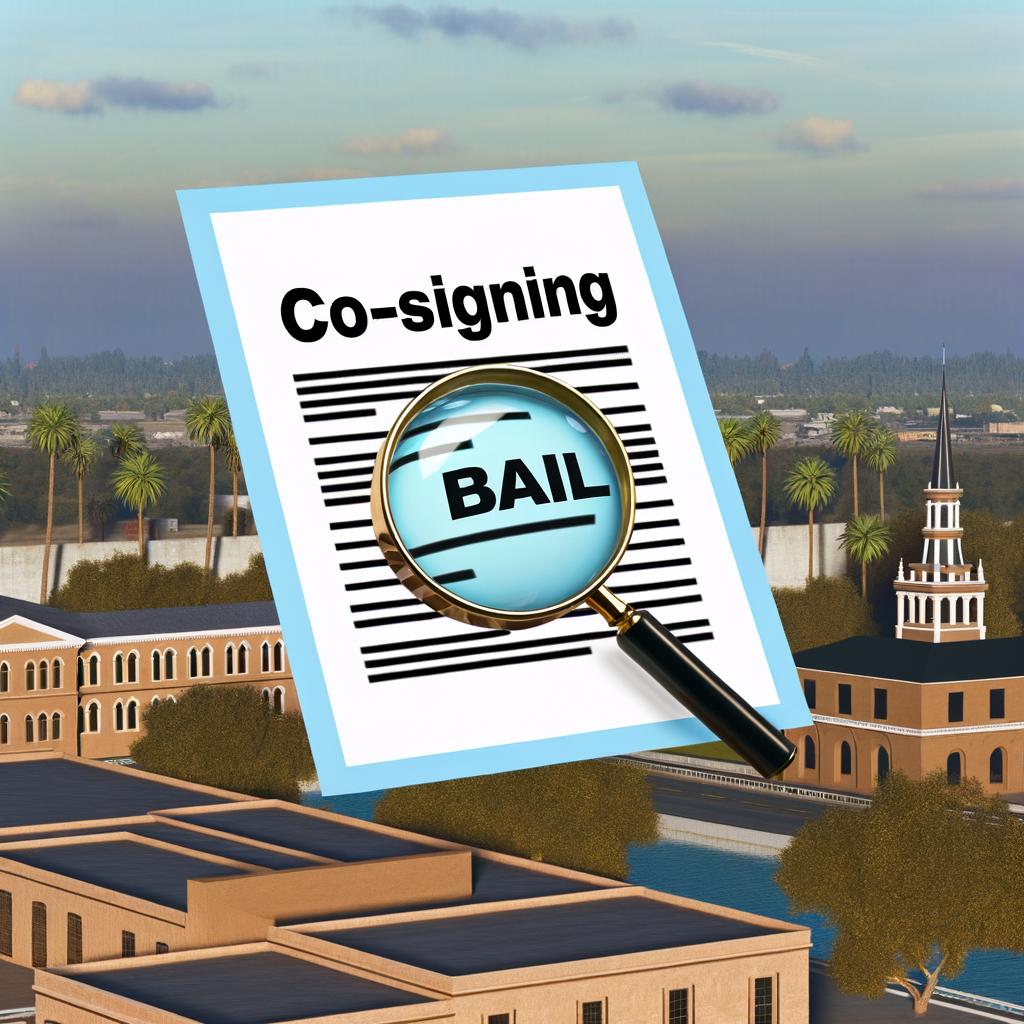
First, you make certain the offender appears in court. Nobody can physically drag a grown-up to court without court authority, but the practical definition is you assure to maintain tabs on them, keep call information present, and urge compliance with the judge's orders.
Second, you agree to pay the bond costs and specific charges. Often the costs is paid up front in full. Sometimes bond firms permit layaway plan. If the plan calls for regular or regular monthly installations, the co-signer frequently becomes in charge of those settlements if the defendant quits paying.
Third, you accept compensate the business for expenses if the accused falls short to show up and the court forfeits the bond. These prices can consist of the full bond quantity if it is ultimately paid, court charges, and the firm's costs in locating and surrendering the defendant. Many contracts likewise permit healing of practical attorney's fees and collection costs.
The simple way to think about it: you are the backstop. If something fails, the costs comes to you.
How Failure to Show up Changes Everything
Most people who miss court do not run off to another state with a fake passport. They sleep in, stress, or misconstrue the day. Courts recognize this, and the majority of territories offer a short window, often 30 to 180 days, to fix the issue and set aside a loss. That home window matters because it determines whether the bond company should pay the complete bail to the court.
Here is how it generally plays out. The accused misses out on a hearing. The court problems a bench warrant and orders the bond forfeited. The clock starts. If the accused go back to court within the statutory duration, the court can vacate the forfeiture, and the bond remains in area. If the defendant can not be found, the bond company has a strong reward to situate them. That is when recuperation representatives, commonly called bond enforcement agents, become included. They work within the law of the state to nail the accused and surrender them to the court. Their fees and travel prices are considered recoverable costs under a lot of indemnity agreements.
If the due date passes and the court's forfeiture ends up being final, the bond company should pay the complete bond. At that point, the company aims to the co-signers to reimburse the loss. If you possess a home or various other attachable possessions and you do not pay willingly, the company can take legal action against, obtain a judgment, and go after collection actions such as liens and financial institution levies. The amounts are not hypothetical. If you co-signed a 50,000 dollar bond and the defendant vanished, you could deal with a need for the whole amount plus fees.
Collateral: What You Placed on the Line
Bond firms manage danger differently. Some approve only the co-signer's guarantee, others request security. Security can be cash money, an automobile title, precious jewelry, or an action of trust fund on property. If security is posted, the agreement ought to specify exactly how it is held and when it is released.
With cash collateral, respectable companies place the funds in a trust fund account and offer an invoice. After the situation is over and the bond is vindicated, the collateral is returned, minus any kind of concurred deductions. With property collateral, a lien is tape-recorded. The firm can not sell your house outright, yet it can confiscate on the lien if you default on your indemnity commitment. Autos used as collateral may involve holding the title or, in many cases, mounting a general practitioner tool with your consent.
Always ask to see the collateral terms in writing, and demand a composed timeline and conditions for launch. If you are informed the security is "simply a rule," keep asking till you have a clear, outdated prepare for getting it back.
The Costs: What You Pay and What You Don't Get Back
The premium is the rate of the bond. It makes up the bond business for its threat and service. In the majority of states, the premium is nonrefundable. Also if the instance ends at arraignment with a termination, or if the prosecutor declines to submit charges after release, you do not get the premium back. That is not a charge, it is the expense of protecting liberty while the instance is pending.
Some business use discounts for army solution, union subscription, or working with an exclusive attorney, where enabled by legislation. Ask, however watch out for offers that appear as well good to be real. Rates are commonly controlled. A deeply reduced costs may be coupled with hostile charges somewhere else in the contract.
Fees past the premium differ. You might see fees for posting the bond at strange hours, taking a trip to a remote jail, or electronic monitoring if required by the court. Review each charge line. Ask what activates it and whether it is capped. A 150 dollar publishing charge is regular in numerous markets. An open-ended "healing" fee without criteria is a red flag.
Your Right to Claim No, Also After You Say Yes
One misunderstanding flounder several well-meaning co-signers: they think that once they sign, their only alternative is to hope for the best. In fact, you usually maintain a restricted capability to withdraw your indemnity if the defendant violates problems or you believe they are a trip threat. This is not a choice to ignore, but it is a security valve.
If you become aware that the accused is using medications versus a court order, avoiding call, or speaking about skipping court, you can call the bond business and request that the bond be surrendered. The business can arrange to take the defendant back into custody and relieve you of ongoing responsibility. Timing issues. If a forfeiture has actually currently occurred, revoking after the fact will not safeguard you from the current loss, though it can decrease further threat. Document your problems in creating. Ask the company to confirm when your liability will certainly finish and when any security will certainly be released.
The human side is hard. Pulling a bond on a buddy or youngster seems like dishonesty. What I inform families is this: you are not punishing them. You are protecting both of you from even worse consequences. It is much easier to repair a connection than to recuperate from a 50,000 dollar judgment.
Practical Due Persistance Before You Sign
Not all bail representatives are alike. The trustworthy ones run clean procedures, describe whatever, and keep their word. The outliers cut edges or bury important terms in explanations. You do not require to end up being a lawyer overnight, yet you do need to slow down the procedure enough time to check a couple of essentials.
- Verify state licensure and the bond representative's consultation with a guaranty company. A lot of state insurance policy departments have a searchable online database. Ask for a complete copy of every file you authorize, including the indemnity agreement and collateral invoice, prior to you leave the office. Clarify the premium amount, any type of installment plan, overall money costs if relevant, and each extra cost with a created schedule. Confirm what activates your obligation, what costs are recoverable, and how and when security will certainly be returned after exoneration. Get the representative's 24-hour contact number and a clear process for reporting troubles or issues concerning the offender's compliance.
That five-minute checklist can save weeks of frustration later.
What Courts Expect From Defendants, And Just How You Can Help
The best way to safeguard on your own as a co-signer is to assist the defendant prosper on release. Courts generally impose standard conditions: show up in any way hearings, do not commit brand-new offenses, alert the court and counsel of address changes, and comply with any kind of certain orders such as drug screening, no-contact instructions, or travel restrictions. Failure on any of these fronts takes the chance of a warrant and forfeiture.
Create a functional strategy. Start by accumulating the next court date, time, and area. Lots of missed appearances occur since the routine changes and no one notifications. Urge the defendant to enlist in message or email reminders from the court or their attorney. If they work per hour shifts, assist them prepare pause for court days ahead of time. If transportation is shaky, drive them on your own or set up a trip the day previously. These information audio fundamental, however they matter greater than stern talks about responsibility.
For extra intricate cases, such as those involving compound usage or mental health and wellness problems, attach services early. Judges and prosecutors commonly look much more positively on accuseds who proactively sign up in therapy, counseling, or instance monitoring. That is not ensured kindness, however it is a course to stability that lowers your risk.
Payment Plans and Credit: The Hidden Components of the Contract
When a bond business offers installments, the fine print controls. Some strategies include rate of interest, late fees, or acceleration conditions that make the whole debt after a solitary missed out on payment. If you get on the hook for the defendant's repayments, those terms are your terms too.
Ask 3 questions prior to you consent to a strategy. What is the total price gradually, consisting of charges and passion, revealed in dollars? What takes place if a payment is late, and is there a grace period? When does my obligation end, especially if the situation ends before the layaway plan does? If the costs is funded over year however the situation finishes in 3, do you still owe the continuing to be installations, or does the plan accelerate? In many contracts, the premium is due regardless of case length, however a couple of business are adaptable. Obtain any kind of accommodation in writing.
Some companies run debt checks on co-signers. A soft questions will not influence your credit history. A hard questions might. Make clear which kind they mean to run and whether they will report payment history to credit history bureaus. A lot of do not, however ask anyway.
Special Situations: Out-of-State Defendants, Immigration Holds, and Multiple Cases
Risk adjustments with context. If your nephew was apprehended while passing through a state where he does not live, think twice. Courts established conditions based in part on connections to the neighborhood. Out-of-state accuseds elevate flight-risk worries. Bond firms might require more powerful security and more stringent check-ins. You will certainly likewise have much less control over logistics, that makes your function harder.
If there is a migration hold, timelines shift. Even if a bail bond is uploaded, a detainer from federal immigration authorities can keep the offender in custody. The premium is still owed due to the fact that the bond was provided. Great agents will certainly advise you concerning most likely detention situations prior to you pay. Ask straight if any type of holds are visible in the jail system or if the charges generally set off detainers.
Multiple pending cases make complex issues better. Each instance can bring its own bond, and problems can stack. Missing out on a court day in one instance can threaten bonds in the others. Collaborating with defense counsel comes to be necessary. As a co-signer, you must obtain permission from the offender to speak to their attorney regarding scheduling and problems. That maintains you out of the dark and decreases surprises.
The Lifecycle of a Bond, From Uploading to Exoneration
Understanding the phases removes uncertainty. After you sign and pay the premium, the representative posts the bond at the prison or courthouse. Release can be fast or slow-moving, anywhere from one hour to 12 hours depending on the facility stockpile and time of day. The bond stays essentially till the court exonerates it. Exoneration generally happens when the situation deals with by plea, termination, or acquittal, or when the court withdraws bond and remands the offender to protection. An exoneration order finishes your obligation prospectively, and any type of collateral ought to be returned without delay according to the contract.
Watch for a lag between last hearing and formal exoneration. Dockets are active. If security has actually not returned within the assured timeframe, call the agent with the instance number and the exoneration day. If required, you can acquire a certified copy of the exoneration order from the clerk and supply it to the bond firm to set off release. Reliable companies procedure collateral launches within 10 to thirty days after exoneration, depending on the type of security and interior procedures.
Working With a Bondsman Without Shedding Your Balance
Bail representatives offer an actual service. They respond to phone calls at 2 a.m., stand in lines at county prisons, and navigate the little guidelines that make a difference. Most are simple experts. The relationship functions best when assumptions are clear.
Be candid regarding the offender's scenario. If you understand they deal with addiction, state so. If you recognize they missed out on court in the past, reveal it. The representative will either established firmer problems or decline the bond. That sincerity is a favor to you, not a confession to be used against you.
Stick to one channel of interaction. Choose that in your household will talk to the agent and the attorney. Mixed messages develop problem. Maintain notes of crucial phone calls: dates, names, and choices. It sounds tedious until you need to reference what was assured a month earlier.
If an argument emerges, intensify comfortably. Request the supervisor or the guaranty firm's call details. A lot of bond firms run under the umbrella of a bigger insurance firm that oversees conformity with state regulations. Regulatory authorities exist for a reason. You do not require to endanger any person, yet you can ask for accountability.
When Not to Co-Sign
There are circumstances where the thoughtful choice is to step back. If the accused has a recent pattern of missing court, if they are unhoused with no stable phone or address, or if they have articulated an intent to run, your danger is not academic. The bond firm may still provide the bond, however your responsibility would certainly be massive if things go wrong.
Financial borders matter also. If posting security places your real estate in jeopardy, pause. Real estate instability assists nobody, consisting of the accused. If you can not afford the premium without a layaway plan that stretches you thin, reassess. Courts in some jurisdictions enable pretrial solutions, monitored launch, or reconsideration of bond amounts. A defense attorney can file a movement to change bail based on ties to the area, employment, or treatment engagement. It might take a couple of days longer, but the result can minimize or eliminate the need for a commercial bond.

Alternatives to Business Bond Bonds
In recent years, many courts have actually broadened choices past cash money bond and commercial bonds. These options differ extensively by area and state, however it https://writeablog.net/elbertpmts/bail-bonds-and-mental-health-considerations is worth asking the defense lawyer regarding them.
Release on recognizance, typically called OR, involves release based on the offender's guarantee to show up. It prevails for lower-level costs and for offenders with stable ties. Managed release programs add check-ins, medicine screening, or electronic tracking. Some territories utilize danger assessment devices to overview choices. Whether you concur with those devices or otherwise, they exist. If an OR or supervised launch is possible within a few days, it could be smarter to wait as opposed to thrill right into a bond that sets you back thousands and places your properties at risk.
Another option is a cash down payment with the court, in some cases a percent of the full bond, such as 10 percent. If allowed, this approach can be less costly over time because you get most of it back at the end of the case, minus costs. The tradeoff is binding cash for months. If several relative can securely pool funds, a court deposit can be a practical route.
A Brief, Genuine Example
A mother called me after co-signing a 25,000 dollar bond for her boy on a burglary charge. She paid a 2,000 buck costs and set up her automobile title as security. Her child missed a hearing 2 weeks later. She did not recognize up until the bond representative called. The representative set up a new court date within the treatment period, yet her kid prevented phone calls and text messages. She was frightened of losing her vehicle since she required it for work.
We chatted via alternatives. She went to her child's apartment or condo with a friend, told him she would certainly withdraw the bond if he did not litigate, and supplied to drive him. He concurred. They went, the court suppressed the warrant, and the bond remained in area. She set ground rules: once a week check-ins, sharing all court documentation, and going to hearings with each other. The situation settled with probation. Her security was launched 3 weeks after exoneration.
The difference between catastrophe and a manageable scare was interaction and a concrete strategy. She did not rely upon hope. She acted early, made use of the agent as a partner, and established boundaries her child understood.
Your Choice Framework
Emotion belongs to this, however an organized approach aids. Ask on your own:
- Can I afford the costs and any type of payment plan without taking the chance of rental fee, utilities, or important bills? Do I trust the defendant to stay in touch and comply with court orders, and am I happy to take active steps to sustain that? Do I recognize the collateral terms and have them in creating, with clear release problems and timelines? If points fail, am I prepared to notify the bond business immediately, and if required, revoke the bond? Are there realistic options, such as a bond reduction motion or supervised launch, that we must try first?
If you can not answer yes to a lot of these, press pause. A short hold-up to reassess can stop months of monetary strain.
Final Ideas From the Ground Level
Co-signing a bail bond is an act of trust fund backed by a lawful pledge. Done attentively, it assists a person maintain their job, take care of children, and meet an attorney while dealing with an instance. Done quickly, it can link your financial resources to someone else's choices in ways that are difficult to unwind.
Take an hour to check out the contract. Ask the bail bondsman plain concerns. Coordinate with the defense attorney. Make a plan for transportation, tips, and conformity. Keep involved till the bond is exonerated and your security is back in your hands. That blend of compassion and caution is not chilly. It is sensible love, and it is how households survive the criminal legal process without breaking themselves in the process.